
Mastering the Art of Creating Spicy Rubs
- O'Callaghan's Spiced Rubs Channel
- Jan 21
- 3 min read

When it comes to elevating your cooking, few things can match the bold flavors of a well-crafted spicy rub. Whether you're grilling, roasting, or smoking, a spicy rub can transform ordinary ingredients into a mouthwatering feast. This guide will walk you through the essentials of creating spicy rubs that pack a punch, offering practical tips and recipes to help you master this culinary art.
Understanding the Basics of Creating Spicy Rubs
Creating spicy rubs is both an art and a science. At its core, a rub is a blend of dry spices and herbs that you apply to meat, fish, or vegetables before cooking. The goal is to enhance the natural flavors and add layers of complexity.
Key Components of a Spicy Rub
Heat Source: This usually comes from chili powders, cayenne pepper, or crushed red pepper flakes.
Savory Elements: Salt, garlic powder, onion powder, and smoked paprika add depth.
Sweetness: Brown sugar or maple sugar balances the heat and adds caramelization.
Herbs and Aromatics: Oregano, thyme, cumin, and coriander can add earthiness and fragrance.
Tips for Balancing Flavors
Start with a base of salt and sugar.
Add heat gradually to avoid overpowering the dish.
Use fresh spices for the best aroma and potency.
Toast whole spices before grinding to unlock deeper flavors.

The Science Behind Flavor Absorption
Understanding how spices interact with food can help you create more effective rubs. When applied to meat, the rub’s salt draws moisture to the surface, dissolving the spices and creating a flavorful crust during cooking. The heat from chili peppers stimulates taste buds, enhancing the overall sensory experience.
Tips for Maximum Flavor Penetration
Apply the rub at least 30 minutes before cooking, or even overnight for larger cuts.
Use a light coating of oil to help the rub stick and penetrate.
For smoking or slow roasting, reapply the rub halfway through cooking for an extra kick.

Creative Variations to Try
Once you’ve mastered the basics, experiment with different ingredients to create unique spicy rubs:
Citrus Zest: Add lemon or orange zest for a fresh twist.
Coffee Grounds: Incorporate finely ground coffee for a smoky bitterness.
Herbal Notes: Use fresh or dried rosemary, basil, or mint for complexity.
Sweet Heat: Mix in honey powder or coconut sugar for a sweet heat balance.
Pairing Rubs with Different Proteins
Beef: Bold rubs with black pepper, cumin, and chili powder work well.
Pork: Sweet and spicy rubs with brown sugar and cayenne complement pork’s natural sweetness.
Chicken: Lighter rubs with lemon zest and thyme enhance chicken without overpowering.
Fish: Use milder chili powders and fresh herbs to avoid masking delicate flavors.
Tips for Storing and Using Our Spicy Rub
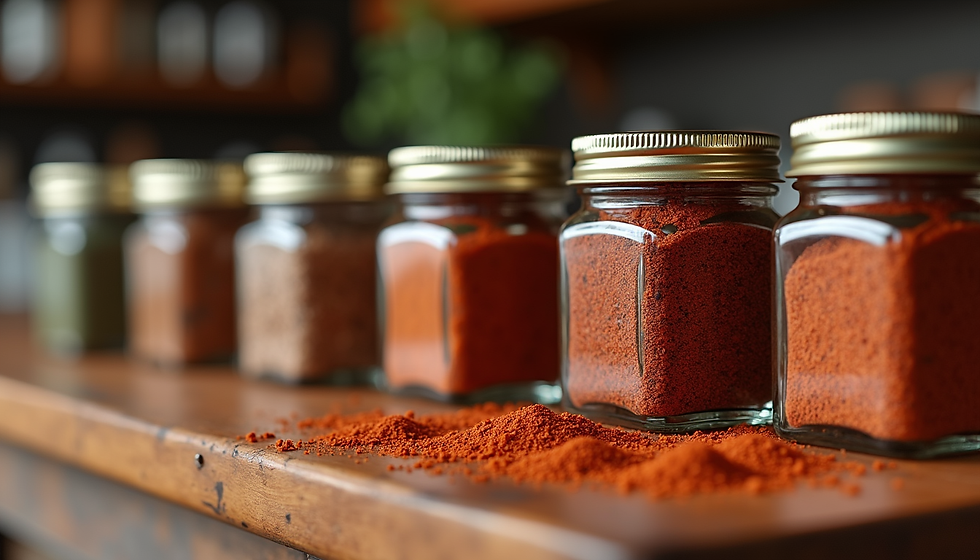
Proper storage is key to maintaining the potency of our rubs. Keep them in airtight containers away from heat and light.
Using Your Rubs Effectively
Apply generously but evenly.
Pat the rub into the meat rather than rubbing aggressively.
Let the rub rest on the food to develop flavor before cooking.
Use leftover rub as a seasoning for vegetables or popcorn.
For those looking to explore more about the spicy rub, this resource offers detailed recipes and expert advice to refine your technique.
Elevate Your Cooking with Spicy Rubs
Spicy rubs open up a world of flavor possibilities. Our signature blends are crafted to impress family and friends. Remember, the key is balance, quality, and freshness.


Comments