

Exploring Creative Spice Mixes for Cooking
- O'Callaghan's Spiced Rubs Channel
- Jan 13
- 3 min read

Spices have been an essential part of cooking for centuries, transforming simple ingredients into flavorful masterpieces. The art of blending spices is a culinary tradition that varies across cultures, offering endless possibilities for enhancing dishes. Today, we dive into the world of creative spice mixes, exploring how unique combinations can elevate your cooking and bring new tastes to your table.
The Magic of Creative Spice Mixes
Creative spice mixes are more than just a combination of herbs and spices. They are carefully crafted blends that balance flavors like heat, sweetness, earthiness, and bitterness to create a harmonious taste experience. These mixes can be used to season meats, vegetables, soups, and even snacks, making them incredibly versatile.
For example, the classic Garam Masala from India combines cinnamon, cloves, cardamom, and cumin to add warmth and depth to curries. Meanwhile, the Middle Eastern Za'atar mix includes thyme, sumac, sesame seeds, and salt, perfect for sprinkling on flatbreads or roasted vegetables.
When experimenting with creative spice mixes, consider the following tips:
Start with a base: Common spices like cumin, coriander, or paprika can serve as a foundation.
Add complementary flavors: Include spices that enhance each other, such as cinnamon with nutmeg or chili with garlic powder.
Balance intensity: Mix strong spices with milder ones to avoid overpowering the dish.
Toast spices: Lightly toasting whole spices before grinding can release more aroma and flavor.
Using these principles, you can create your own signature blends tailored to your taste preferences.

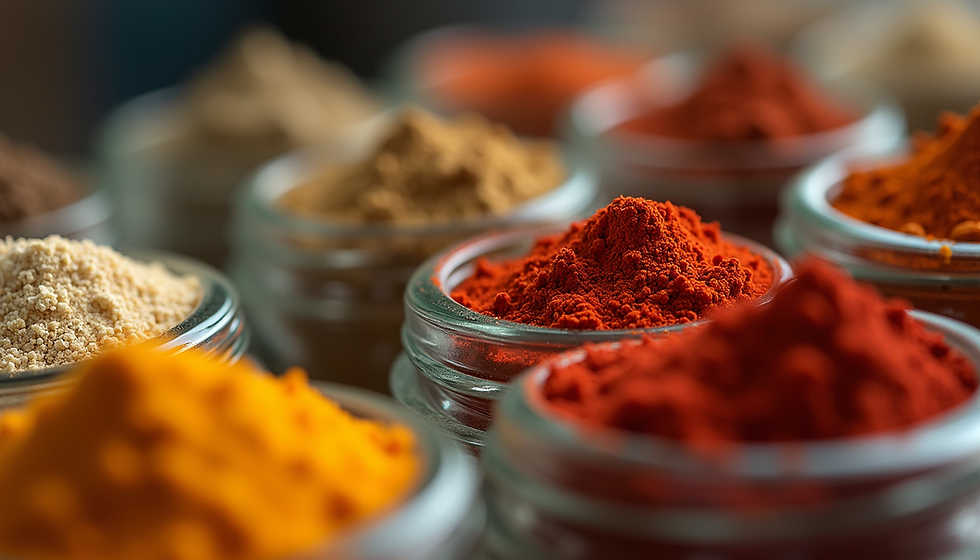
Close-up view of assorted colorful spices in bowls
Popular Creative Spice Mixes Around the World
Exploring global spice mixes can inspire your cooking and introduce you to new flavor profiles. Here are some popular creative spice mixes from different regions:
Ras el Hanout (North Africa)
A complex blend often containing over a dozen spices such as cardamom, cumin, cinnamon, ginger, and turmeric. It is used in tagines, couscous, and grilled meats.
Cajun Seasoning (Southern USA)
A bold mix of paprika, cayenne pepper, garlic powder, onion powder, oregano, and thyme. It adds a spicy kick to seafood, chicken, and rice dishes.
Chinese Five-Spice
Combining star anise, cloves, Chinese cinnamon, Sichuan peppercorns, and fennel seeds, this mix balances sweet, sour, bitter, salty, and umami flavors. It’s great for marinades and stir-fries.
Berbere (Ethiopia)
A fiery blend with chili peppers, garlic, ginger, basil, and fenugreek. It’s essential in Ethiopian stews like Doro Wat.
Herbes de Provence (France)
A fragrant mix of dried thyme, rosemary, oregano, marjoram, and lavender. It’s perfect for seasoning roasted vegetables and grilled meats.
Each of these mixes reflects the culinary traditions and local ingredients of their regions, offering unique tastes to explore.
What is the Most Unique Spice?
Determining the most unique spice can be subjective, but one contender often highlighted is Szechuan peppercorn. Unlike traditional peppercorns, Szechuan peppercorns are not actually pepper but the dried husks of the prickly ash shrub. They produce a distinctive numbing sensation on the tongue, known as "ma," which is a hallmark of Szechuan cuisine.
This spice adds a citrusy, slightly lemony flavor combined with a tingling effect that enhances the overall sensory experience of a dish. It’s commonly used in Chinese five-spice blends and various Szechuan dishes like Mapo Tofu and Kung Pao Chicken.
Another unique spice is asafoetida, used in Indian cooking. It has a strong, pungent aroma when raw but mellows into a flavor reminiscent of garlic and onion when cooked. It’s often used in vegetarian dishes to add depth without using alliums.
Exploring such spices can add an exciting twist to your cooking and inspire you to create new blends.

Eye-level view of a wooden spoon filled with Szechuan peppercorns
Tips for Using Spice Blends in Everyday Cooking
Incorporating spice blends into your daily cooking can be simple and fun. Here are some practical tips:
Marinate Proteins: Mix your spice blend with oil and acid (like lemon juice or vinegar) to create flavorful marinades.
Season Vegetables: Toss vegetables with spice blends and olive oil before roasting or grilling.
Enhance Soups and Stews: Add spice blends early in cooking to allow flavors to develop.
Sprinkle on Snacks: Use spice blends to season nuts, popcorn, or homemade chips.
Mix into Sauces and Dips: Stir spice blends into yogurt, sour cream, or mayonnaise for quick dips.
By experimenting with different blends, you can discover new favorite flavors and make your meals more exciting.
Exploring unique spice blends opens up a world of culinary creativity. Whether you prefer bold and spicy or subtle and aromatic, there is a spice mix to suit every palate. Start blending today and transform your cooking with the magic of spices!


Comments