
Creating Flavorful Dishes with a Dual-Flavor Seasoning Rub
- O'Callaghan's Spiced Rubs Channel
- Dec 16, 2025
- 4 min read

Updated: Jan 13
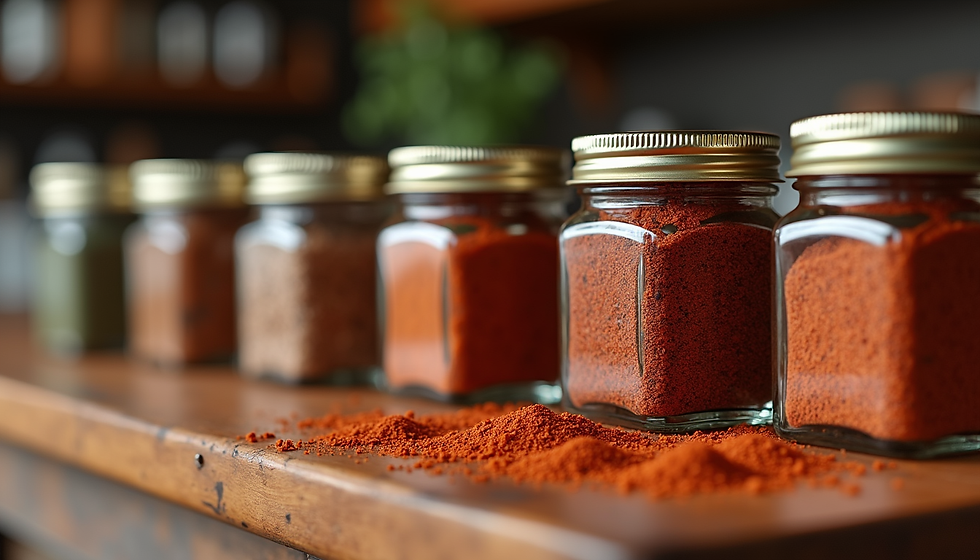
When it comes to elevating your cooking, the right seasoning can make all the difference. A dual-flavor seasoning rub combines the best of both worlds: sweet and savory. This blend enhances the natural flavors of your ingredients, creating dishes that are rich, complex, and deeply satisfying. Whether you are grilling, roasting, or pan-searing, mastering the art of a dual-flavor seasoning rub can transform everyday meals into culinary delights.
Understanding the Power of a Dual-Flavor Seasoning Rub
A dual-flavor seasoning rub is a mixture of spices and herbs that balances sweetness with savory notes. This combination works well with a variety of proteins, vegetables, and even fruits. The sweet elements often include brown sugar, honey powder, or cinnamon, while the savory side features garlic powder, smoked paprika, cumin, and salt.
The magic lies in the contrast. Sweetness can mellow out the heat or bitterness of certain spices, while savory components add depth and umami. This balance makes the rub versatile and appealing to a wide range of palates.
Practical Tips for Creating Your Own Rub
Start with a base: Use salt and pepper as your foundation.
Add sweetness: Brown sugar is a popular choice because it caramelizes beautifully.
Incorporate savory spices: Garlic powder, onion powder, smoked paprika, and chili powder work well.
Experiment with herbs: Thyme, rosemary, or oregano can add an aromatic touch.
Adjust to taste: Make small batches and tweak the ratios until you find your perfect blend.
Using a sweet and savory rub can bring out the best in your dishes, making them memorable and crave-worthy.

How to Apply a Dual-Flavor Seasoning Rub for Maximum Flavor
Applying your seasoning rub correctly is just as important as the ingredients you choose. Here are some steps to ensure your rub penetrates and enhances your food:
Pat your protein dry: Moisture can prevent the rub from sticking properly.
Generously coat the surface: Use your hands to massage the rub into the meat or vegetables.
Let it rest: Allow the seasoned food to sit for at least 30 minutes, or refrigerate overnight for deeper flavor.
Cook with care: Whether grilling, roasting, or pan-searing, monitor the heat to avoid burning the sugars in the rub.
This method ensures that the flavors are absorbed and the texture is enhanced, resulting in a juicy, flavorful dish.
Popular Ingredients for a Dual-Flavor Seasoning Rub
Creating a rub from scratch allows you to customize flavors to suit your preferences. Here are some popular ingredients to consider:
Sweet components:
- Brown sugar
- Maple sugar
- Honey powder
- Cinnamon
- Nutmeg
Savory components:
- Smoked paprika
- Garlic powder
- Onion powder
- Cumin
- Black pepper
- Chili powder
Herbs and extras:
- Dried thyme
- Rosemary
- Oregano
- Mustard powder
- Crushed red pepper flakes
Mixing these ingredients in different proportions can create rubs tailored for pork, chicken, beef, or vegetables. For example, a pork rub might lean more on brown sugar and cinnamon, while a beef rub could emphasize smoked paprika and cumin.

Tips for Pairing Your Dual-Flavor Seasoning Rub with Different Dishes
The versatility of a dual-flavor seasoning rub means it can be used in many culinary contexts. Here are some pairing ideas:
Pork: The sweetness complements pork’s natural flavor. Try it on ribs, chops, or tenderloin.
Chicken: Use the rub on wings, thighs, or whole birds for a crispy, flavorful crust.
Beef: Ideal for steaks, brisket, or burgers, especially when grilled or smoked.
Vegetables: Sprinkle on roasted carrots, sweet potatoes, or cauliflower for a sweet-savory twist.
Seafood: Works well with salmon or shrimp, adding a caramelized glaze when cooked.
Experiment with cooking methods like grilling, roasting, or pan-searing to find your favorite combinations.
Enhancing Your Culinary Skills with a Dual-Flavor Seasoning Rub
Mastering the use of a dual-flavor seasoning rub can elevate your cooking and impress your guests. Here are some additional tips to refine your technique:
Make your rub in advance: Store it in an airtight container to save time and ensure consistent flavor.
Use quality ingredients: Fresh spices and herbs make a noticeable difference.
Balance flavors carefully: Too much sugar can burn; too much salt can overpower.
Try layering: Apply a light rub before cooking and a finishing sprinkle after for extra flavor.
Pair with complementary sauces: Barbecue sauce, mustard glaze, or fruit chutneys can enhance the dish.
By practicing these techniques, you’ll develop a deeper understanding of how flavors interact and how to create dishes that are both exciting and comforting.
Bringing It All Together for Memorable Meals
Using a dual-flavor seasoning rub is a simple yet powerful way to add complexity and excitement to your cooking. Whether you are preparing a weeknight dinner or a special occasion feast, this approach offers endless possibilities to explore and enjoy.
Remember to experiment with different ingredients, cooking methods, and pairings. With a little practice, you’ll be able to create dishes that are bursting with flavor and sure to delight anyone at your table.
Start your journey today by trying out a sweet and savory rub and discover how this dual-flavor seasoning rub can transform your meals into unforgettable experiences.
Conclusion
In conclusion, a dual-flavor seasoning rub is more than just a blend of spices; it’s a gateway to culinary creativity. By understanding the balance of sweet and savory, you can enhance your dishes and impress your guests. So, gather your ingredients, get creative, and enjoy the journey of flavor exploration!


Comments